
It was a routine check of the family bank statement that turned into a nightmare. The numbers didn’t add up—until they did. A 17-year-old’s innocent taps on a colorful board game had quietly drained $25,000 from the household account over several months. Monopoly GO, the app that promises the charm of the classic board game with a modern twist, had become a silent financial wrecking ball for one unsuspecting family. The story, originally shared in a now-vanished Reddit post, has since rippled across the internet, leaving many gamers and parents alike shaking their heads in disbelief.
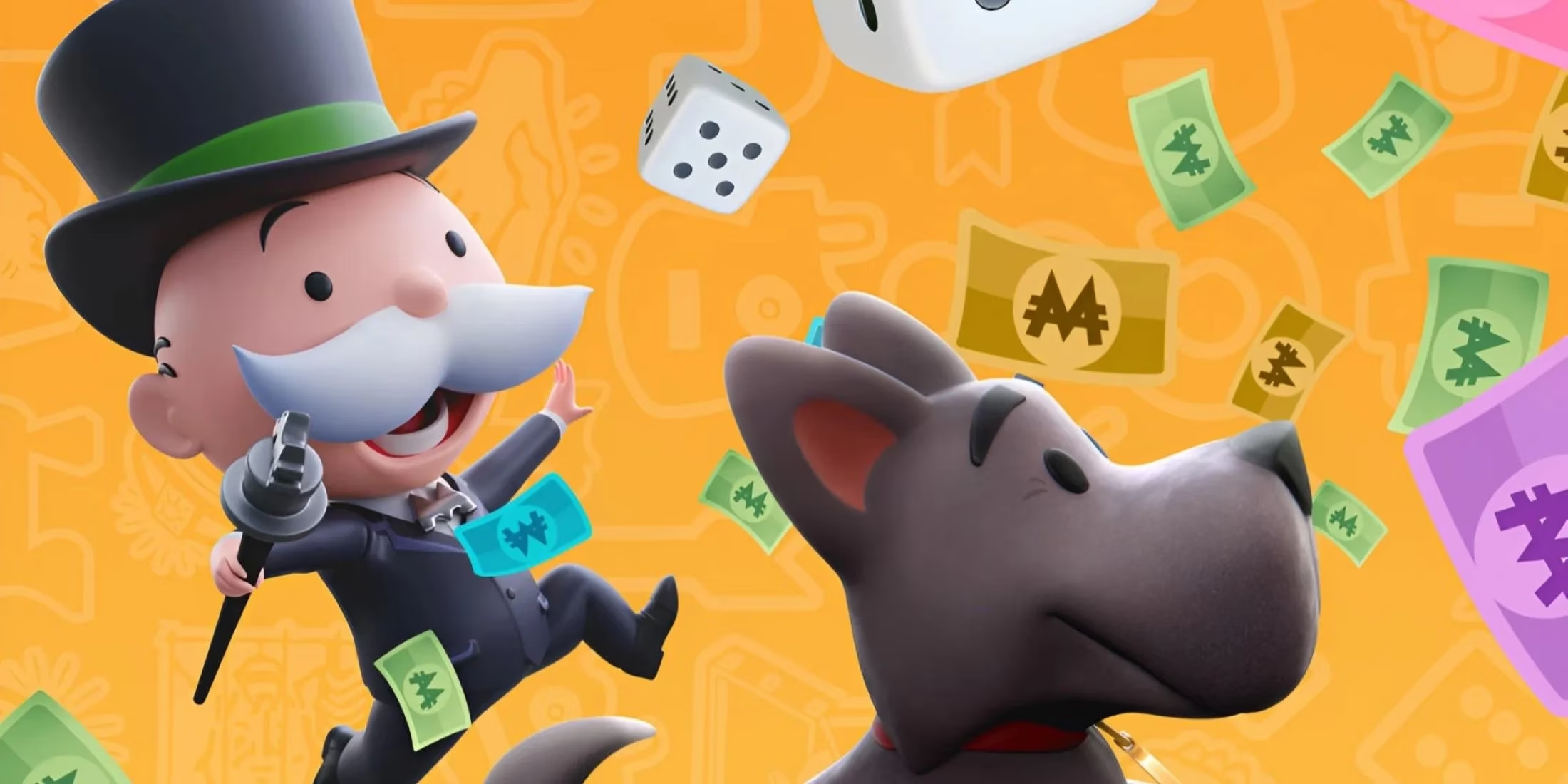
The step-parent recounted how their step-daughter had made 368 separate in-app purchases through the App Store, each one seemingly harmless on its own. A roll of the dice here, a quick boost to collect more properties there. But together, those microtransactions added up to a sum that could have covered a college semester or a decent used car. Desperate for advice, the step-parent turned to Reddit, only to be met with a chill reality: Monopoly GO’s terms of service hold the user accountable for all purchases, even the ones made accidentally or impulsively. The legal road to a refund was, in the words of many commenters, practically non-existent.
Now, a $25,000 splurge might sound like an extreme outlier, but it’s merely the peak of an iceberg that has been growing for years. Before this case, another player admitted to spending $1,000 on the app before finally cutting themselves off and deleting it. Sure, that’s barely 4% of this teenager’s total, but it’s still a startling amount for a game that can be downloaded for free. The problem isn’t exclusive to Monopoly GO, either. When Pokémon TCG Pocket launched, it raked in over $208 million in revenue in just its first month, driven almost entirely by microtransactions. The industry has learned a powerful lesson—small, repeated purchases don’t feel as painful as one big expense, and they can make a person lose track of time and money in the blink of an eye. It’s like the dice in Monopoly GO themselves have a sly grin, whispering “just one more roll” until the wallet is empty.
The outcry over in-game spending isn’t new, but it has grown louder over the years. Back in 2023, players filed a class-action lawsuit against Take-Two Interactive over the microtransaction model in NBA 2K, claiming it was predatory. The company ended up settling a similar lawsuit the year before. While this particular Monopoly GO case likely won’t see a courtroom, it adds another log to the fire of consumer frustration. In early 2024, Diablo IV players collectively spent over $150 million on microtransactions, proving that even premium-priced games aren’t immune to the temptation of recurring revenue.
So why do people keep falling into these traps? Part of the answer lies in psychological design. The games are crafted to nudge players toward a purchase at just the right moment—when they’re one sticker away from completing an album, or a few dice rolls short of a major reward. Facing a slow, grinding progress, the “buy” button glows almost mockingly. It’s no wonder a teenager, perhaps without a full grasp of household finances, could click it 368 times without pause. And the family? They’re left holding a bill and a hard lesson.
By 2026, the landscape hasn’t shifted enough to prevent these accidents. While there have been rumblings of stricter regulation—like the proposed Digital Fairness Act in the EU that would require clearer spending warnings—enforcement remains patchy. Apple and Google have introduced more granular parental controls, but these tools rely on parents being aware and proactive. As the Reddit saga shows, a determined teenager can sometimes circumvent those protections. The same story continues to play out with new titles: in early 2026, a similar uproar surrounded a viral puzzle game where users lost thousands without realizing it. The cycle is, unfortunately, still spinning.
The takeaway? It’s a sobering nudge for anyone with a smartphone. Setting up purchase authentication, using screen time limits, and having open conversations about in-app spending are no longer optional—they’re essential. For the family that lost $25,000, the money may be gone for good, but their story serves as a cautionary beacon. The next time a seemingly innocent board game invites you to “roll again,” remember the hidden price tag. Because in the world of freemium gaming, that free download can come at a fortune.
Loading comments...